Why Lawn Fertilization Is Essential for Thick, Green Grass in Cincinnati
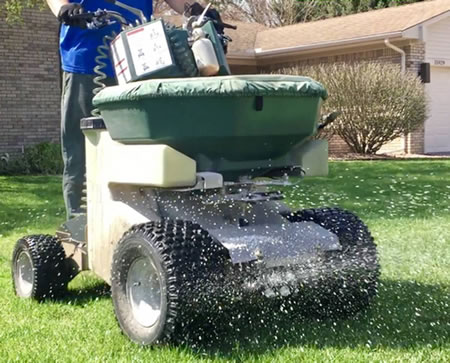
Cold, wet Ohio winters and humid summers are tough on turf. The fastest way to bounce back strong is a smart, local fertilizer plan. That is why homeowners across Cincinnati, OH trust professional lawn fertilization to build density, rich color, and a deeper root system that holds up when the weather turns. If you want the big picture of what this means for your yard, explore how lawn fertilization Cincinnati, OH shapes healthy growth all season long.
What Lawn Fertilization Really Does for Your Lawn
Fertilization is not just about making grass greener. It feeds the soil and the plant so your yard grows thick and even, not fast and floppy. With the right balance, your lawn stores energy below ground and spreads tillers above ground, which fills gaps and smooths out thin areas.
- Thicker turf shades the soil and crowds out weeds, so less sunlight reaches crabgrass and other invaders.
- Deep roots store energy to survive heat, dry spells, and weekend soccer games in the yard.
- Balanced nutrition strengthens cell walls, which improves color and stress tolerance without growth spurts that flop over.
After Winter: Rebuilding Roots and Color
By March and April, Cincinnati lawns have endured months of freeze-thaw cycles. Roots are hungry and top growth is sluggish. A professional spring feeding targets steady recovery, not quick spikes. That measured approach thickens the stand, so neighborhoods from Hyde Park to Anderson Township see lawns fill in evenly instead of surging and fading.
Local soils often include clay that compacts under winter moisture. When your soil is tight, fertilizer cannot move where roots need it. Pairing nutrition with cultural work like aeration and overseeding improves the pathway for air, water, and nutrients. The result is stronger roots before the first hot week shows up.
Before Summer Heat: Keeping Turf Dense and Resilient
Once June shifts into July, heat and humidity arrive fast. Cool-season grasses common around Cincinnati struggle if they are pushed too hard. A steady, professional feeding plan maintains color while easing stress on the plant. It helps the lawn stay thick so it can block weeds on sunny slopes in Blue Ash, Oakley, and West Chester.
Curious how summer conditions change the plan? See our notes on local weather pressures in this read on summer lawn care challenges and why timing matters more than the calendar.
How Professional Fertilization Builds a Better Lawn
A quality program in Cincinnati focuses on the whole system. It matches nutrient sources to your soil, your grass mix, and the season. It also watches how your lawn responds between visits, then adjusts the next application so the grass keeps building strength instead of chasing fast growth.
- Soil-first mindset that supports strong, even growth across sun and shade.
- Nutrient blends that support color and density without stressing the plant.
- Visits timed to local weather swings so results hold when heat arrives.
Balanced nutrition beats quick green-ups. You get color that lasts, not a surge that fades when the forecast turns hot.
Healthier Turf Means Fewer Problems
Thick, well-fed grass closes the door on many lawn headaches. Dense turf shades the soil line, which makes it harder for crabgrass and spurge to take hold along sidewalks and driveways. It also stands up better to chinch bugs and grubs because roots are deeper and crowns are stronger. The right nutrition is the base that supports everything else your lawn needs to look even from the curb to the back fence.
When pressure does rise, a healthy lawn responds faster to treatment. That is why a complete plan builds nutrition first, then uses precise services only where needed. Strong grass recovers quicker and holds its gains longer.
Neighborhood and Soil Nuances Around Cincinnati
Greater Cincinnati lawn conditions vary block to block. River-adjacent areas may retain moisture longer, while open hilltops heat up faster under July sun. Clay-heavy pockets in places like Mt. Lookout or parts of Anderson Township can bake hard between rains. A professional program tracks how your grass actually behaves, not just what a map says, so feeding supports real conditions on your property.
Local insight: Many Cincinnati lawns sit on compacted clay. That soil can bind nutrients and limit root spread. A seasonal plan that includes relief for compaction improves fertilizer uptake and can save you from repeated spot repairs later in the year.
Why Timing Matters More Than the Calendar
Spring to summer is a window where smart fertilization sets the stage for the rest of the year. Early-season nutrition helps your lawn recover from winter stress and build a cushion before heat shows up. Midseason support holds color without pushing new leaf growth that wilts under afternoon sun. Late-season adjustments protect the plant so it rides out hot weeks and is ready for the first cool nights of fall.
Never slam cool-season turf with heavy nitrogen during a hot stretch. That can scorch blades and weaken roots just when the plant needs stability. A measured plan reads the forecast and the soil, then doses support that the grass can actually use.
Stronger Roots, Thicker Lawn, Better Color
Roots are your lawn’s engine. When they are healthy, the plant can pull water and nutrients even when the top six inches of soil dry out. Proper fertilization builds carbohydrate reserves in the crown, which fuels recovery after foot traffic, backyard gatherings, or a run of steamy days. That is why yards across Clifton, Madisonville, and Montgomery keep their even color longer when they are fed the right way for our climate.
We see the biggest wins where nutrition and soil improvement work together. Aeration opens compacted areas. Overseeding in the right window adds new plants that fill thin spots. Then, steady feeding helps the stand knit together. The payoff is a thick, stable surface that looks great and handles wear without constant patching.
When Your Cincinnati Lawn Sends Up a Flag
Your yard will tell you when it needs a professional feeding plan. Watch for patterns rather than one-off days.
- Pale or streaky color that lingers after mowing, especially in full sun.
- Thin edges along sidewalks and driveways where heat reflects.
- Footprints that linger in the afternoon, hinting at stress and shallow roots.
- Weed flare-ups in open patches, even after basic treatments.
Why Advanced Nutrient Lawn Services Builds Programs Around Cincinnati Weather
Advanced Nutrient Lawn Services plans turf nutrition around the way our region warms, cools, and rains. We match products to your soil and grass mix, then schedule visits to protect density and color. If your property would benefit from cultural work first, we outline a simple path that strengthens the lawn before we turn up the nutrients. That means fewer surprises and a lawn that stays even when July heat stacks up.
Want a deep dive into the nutrition side of your program? Start with our overview of lawn fertilization to see how a balanced plan supports roots, density, and season-long color for Cincinnati properties.
Ready for Thicker, Greener Grass That Lasts?
If your lawn struggled after winter or thinned out as summer arrived, now is the right time to build a plan that fits your yard. Talk with our team at Advanced Nutrient Lawn Services and we will map a program that supports strong roots and a thick, even surface across the whole season. Call us at 513-224-1366 or use our page to schedule lawn fertilization for your Cincinnati home today.
Protect Your Lawn With Our Lawn Fertilization & Weed Control Services In Cincinnati